VEÍCULOS DE NOVA ENERGIA

Escolha uma rota de energia que funcione no seu mercado.

Compare opções elétricas a bateria, híbridas plug-in e de autonomia estendida com as condições locais de recarga, os cenários de utilização e os requisitos de compra.

Elétricos a bateria

Para mobilidade urbana e mercados com um caminho de recarga viável.

Híbridos plug-in

Para compradores que equilibram utilização elétrica diária e fornecimento de energia flexível.

Autonomia estendida

Para cenários que priorizam maior cobertura de energia e conveniência de recarga.

13 modelos
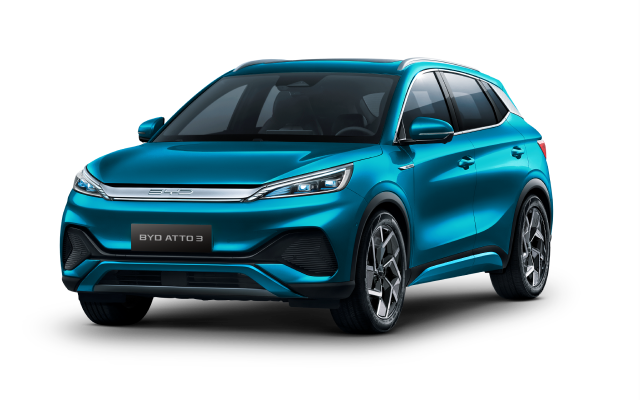
BYD Atto 3BEV

BYD

Atto 3

SUV compacto global

BEV5 lugares
Cotação sob consultaVer detalhes
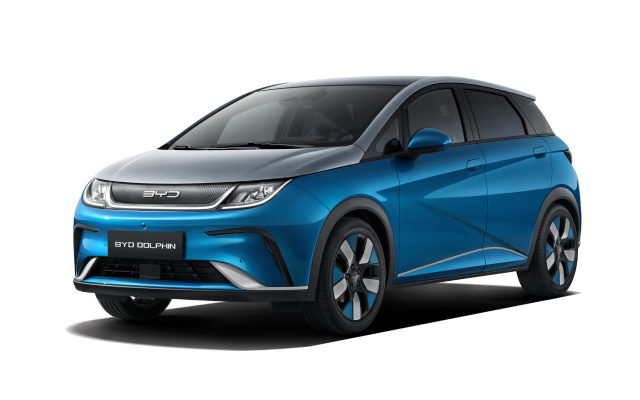
BYD DolphinBEV

BYD

Dolphin

uso urbano diário

BEV5 lugares
Cotação sob consultaVer detalhes
BYD SeagullBEV

BYD

Seagull

mobilidade urbana

BEV4 lugares
Cotação sob consultaVer detalhes
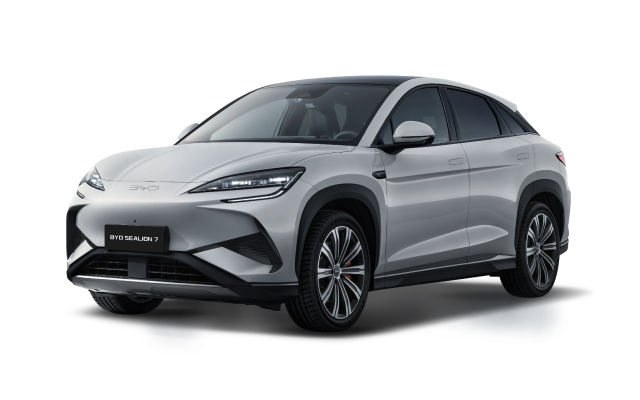
BYD Sealion 7BEV

BYD

Sealion 7

SUV elétrico médio

BEV5 lugares
Cotação sob consultaVer detalhes
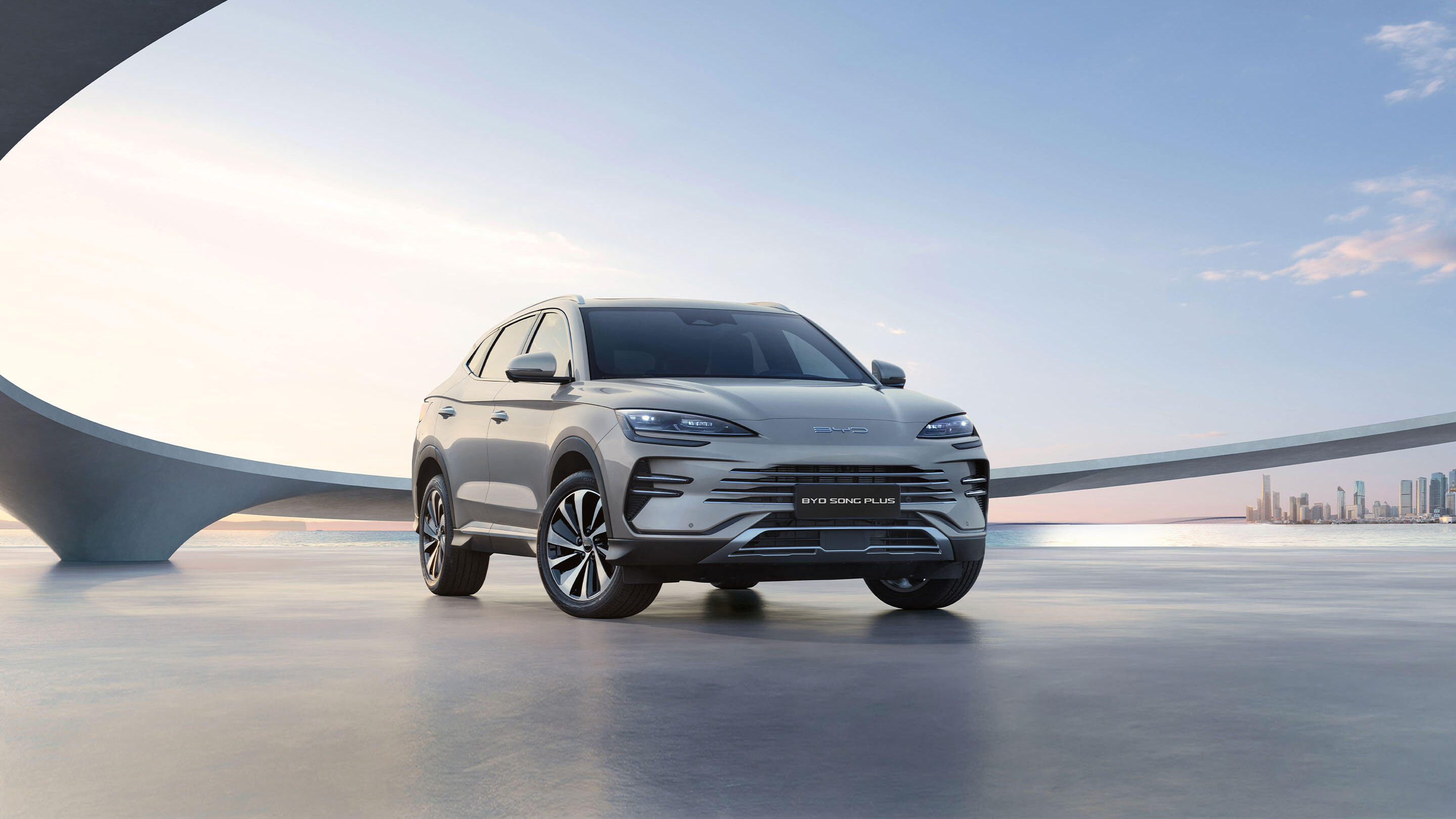
BYD Song Plus DM-iPHEV

BYD

Song Plus DM-i

família e frota de mercado

PHEV5 lugares
Cotação sob consultaVer detalhes
MAXUS eDELIVER 3BEV

MAXUS

eDELIVER 3

logística de última milha

BEV2-3 lugares
Cotação sob consultaVer detalhes
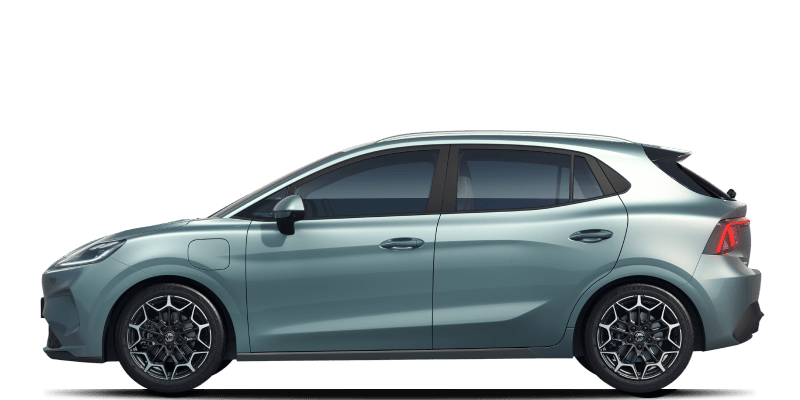
MG MG4 ElectricBEV

MG

MG4 Electric

mobilidade elétrica urbana

BEV5 lugares
Cotação sob consultaVer detalhes
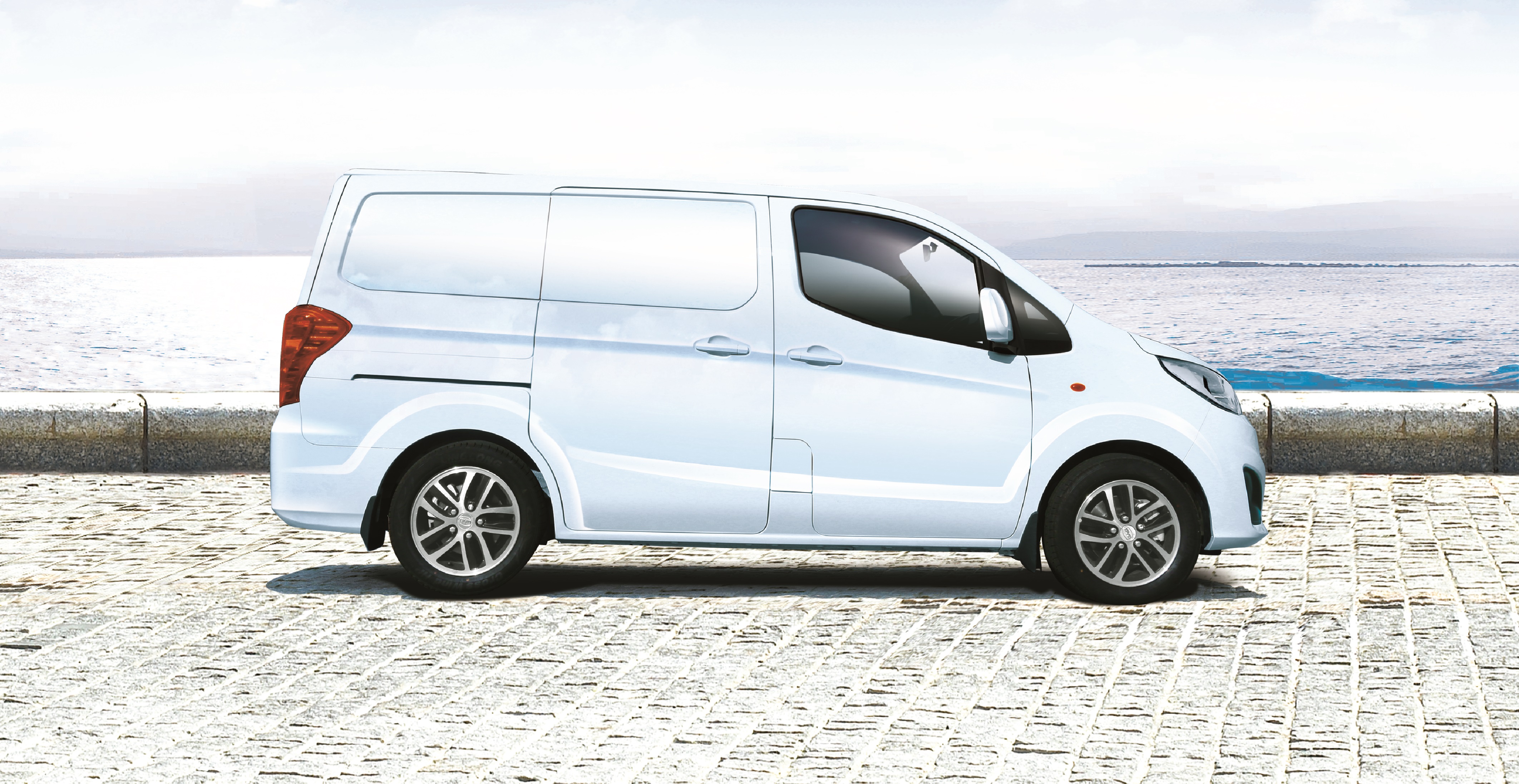
BYD T3BEV

BYD

T3

carga e entrega local

BEV2 lugares
Cotação sob consultaVer detalhes
Geely EX5BEV

Geely

EX5

SUV elétrico global

BEV5 lugares
Cotação sob consultaVer detalhes
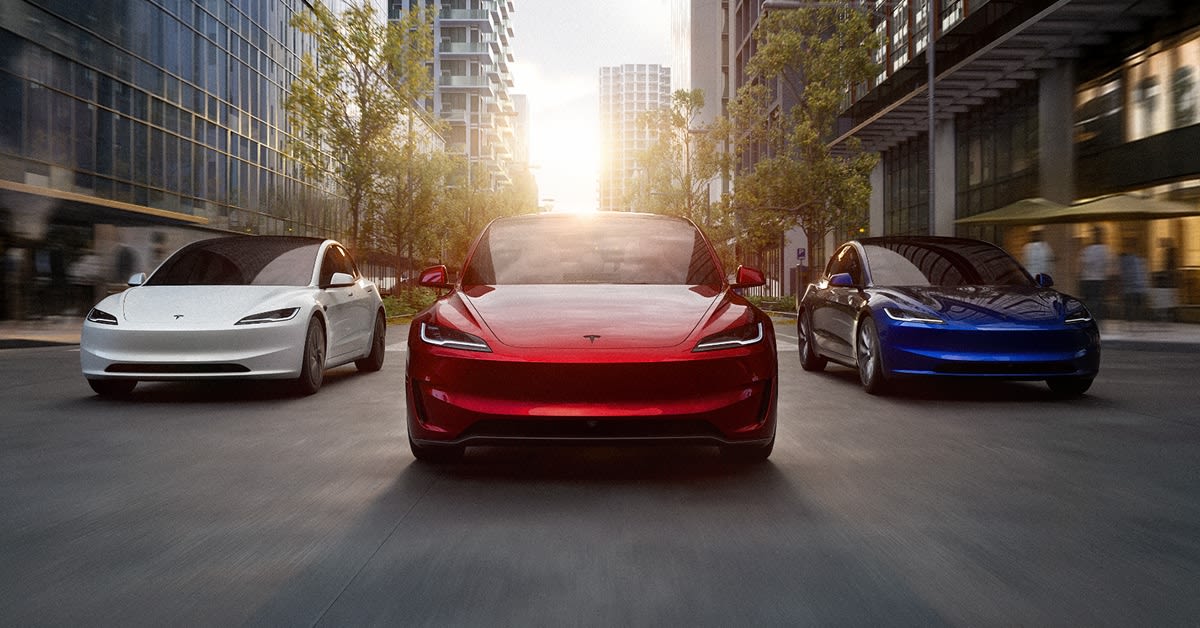
Tesla Shanghai Model 3BEV

Tesla Shanghai

Model 3

negócios e frota urbana

BEV5 lugares
Cotação sob consultaVer detalhes
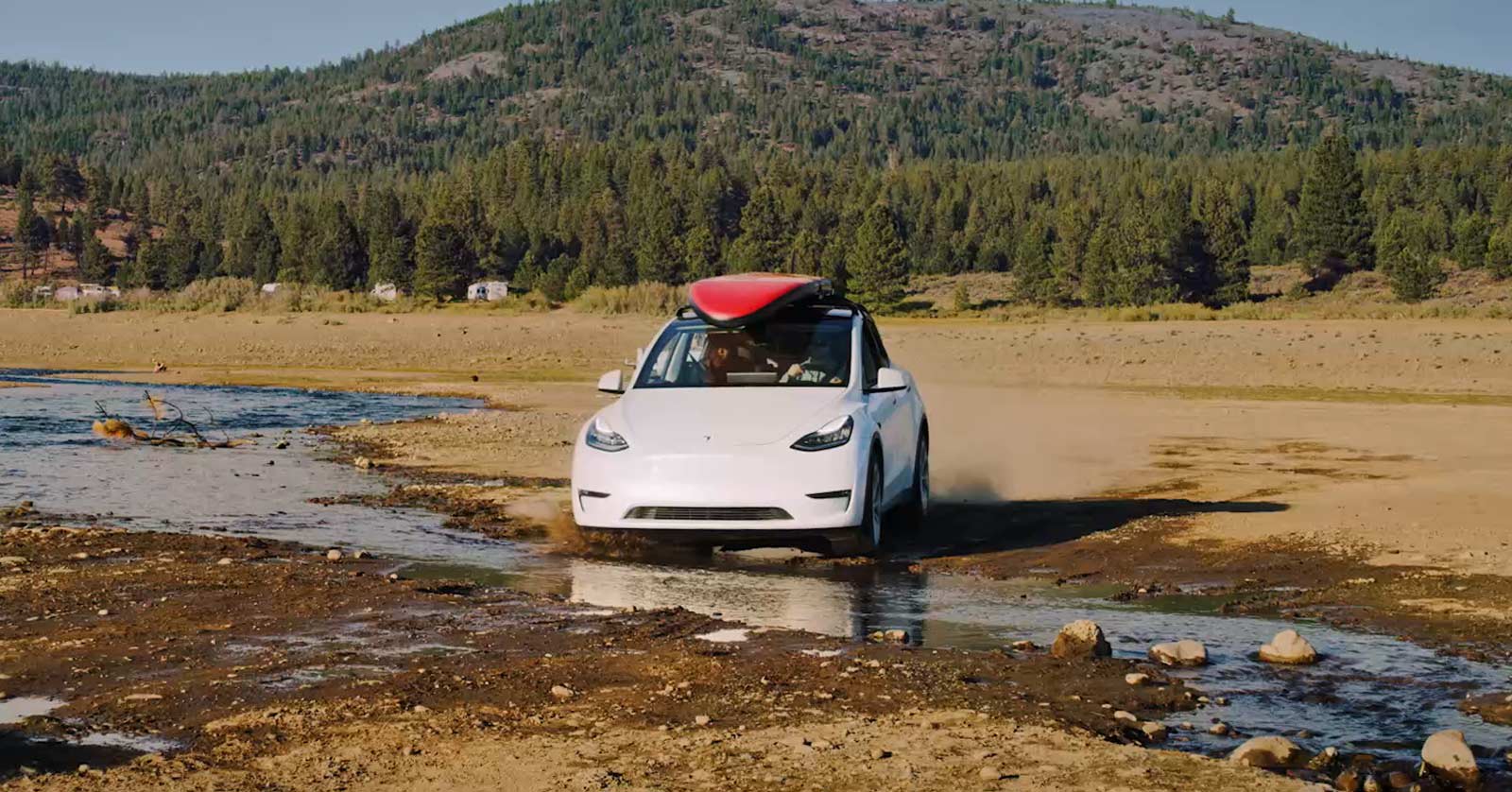
Tesla Shanghai Model YBEV

Tesla Shanghai

Model Y

frota e uso familiar

BEV5 lugares
Cotação sob consultaVer detalhes

ENERGY DECISION

Choose the energy route after mapping the operating reality.

Battery electric, plug-in hybrid and range-extended vehicles serve different operating conditions. Charging access, route pattern, climate and user expectation should be assessed together before a model is shortlisted.

  • 01Charging access
  • 02Daily route
  • 03Climate conditions
  • 04Fleet operation

HOW TO START

Use a practical sequence, not a technology label.

  1. 01

    Map the energy conditions

    Clarify charging availability, power reliability and the operational range that the vehicle needs to cover.

  2. 02

    Match energy to the route

    Consider daily distance, stop time, payload and seasonal conditions before deciding on BEV, PHEV or EREV.

  3. 03

    Confirm the purchase version

    Validate the selected configuration and destination requirements before moving to a commercial proposal.

PROCUREMENT NOTES

Questions buyers often ask about new energy vehicles.

Which energy type is best for my market?

There is no universal answer. The right route follows the charging path, actual usage and destination requirements.

Can I compare BEV and PHEV in one request?

Yes. Include the route, charging situation and quantity so a useful comparison can be prepared.

Can the site confirm a vehicle is suitable for import?

No. Market entry, certification and delivery conditions require destination-specific confirmation.